William L. Dahut
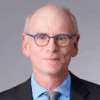
William L. Dahut
Chief Scientific Officer, American Cancer Society
At the American Cancer Society, we are proud of the tremendous progress the United States has made in reducing the burden of tobacco use—progress that has saved millions of lives and prevented untold suffering. Through decades of research, advocacy, public education, and community engagement, we have helped drive down smoking rates to historic lows. These achievements are a testament to the power of science, policy, and collective action.
Despite these gains, tobacco remains the leading cause of preventable death and disease in our country. Each year, more than 480,000 lives are lost to tobacco-related illnesses—lives that could have been saved. The toll is staggering, and the burden is not shared equally. Tobacco use continues to disproportionately affect communities of color, low-income populations, and individuals with mental health and substance use disorders. These disparities are unacceptable and demand urgent, sustained attention.
The US Tobacco Atlas offers a comprehensive, data-driven look at the state of tobacco in America today. It highlights where we’ve succeeded, where we’re falling short, and where we must go next. It also underscores the evolving tactics of the tobacco industry, including the aggressive marketing of emerging products like e-cigarettes and nicotine pouches, often aimed at youth and vulnerable populations.
As an organization dedicated to eliminating cancer as a major health problem, the American Cancer Society views tobacco control as one of the most powerful tools we have to prevent cancer before it starts. Nearly one in three cancer deaths in the US is caused by tobacco. That means every step we take to reduce tobacco use is a step toward a future with less cancer, less suffering, and more lives saved.
This Atlas is more than a report—it is a call to action. It reminds us that progress is possible, but not inevitable. It requires bold leadership, equitable policies, and unwavering commitment from every sector of society. Together, we can accelerate the end of the tobacco epidemic and move closer to a world where no one has cancer because of tobacco.